
How Carpooling Saves More Than Just Fuel
Is your wallet feeling a little lighter after each trip to the gas station? You’re not alone. With fluctuating fuel prices and the ever-present need to get from point A to point B, many of us are looking for ways to ease the pain at the pump. But what if I told you there’s a way to save money, reduce wear and tear on your car, and even make your commute more enjoyable?
Believe it or not, adopting smarter driving habits and staying on top of routine car maintenance can significantly impact your fuel economy. Simple things like checking your tire pressure regularly or avoiding aggressive acceleration can add up to big savings over time. But beyond individual actions, there's a surprisingly effective method that's been around for ages: carpooling.
Carpooling offers a powerful approach to boosting your fuel efficiency and shrinking your carbon footprint. It's about more than just splitting gas costs; it’s about making a conscious choice to drive less, share resources, and rethink your daily commute.
How Carpooling Actually Cuts Costs
Carpooling is a pretty straightforward idea: you and a few colleagues, neighbors, or friends share a ride to work, school, or any regularly visited destination. Everyone takes turns driving, or maybe one person drives consistently while others contribute to fuel and maintenance costs. But the impact goes way beyond just splitting the gas bill.
What affects gas mileage the most?
Multiple factors influence your car's fuel efficiency. Aggressive driving habits, like speeding and hard braking, are major culprits, guzzling fuel unnecessarily. Neglecting car maintenance, particularly tire pressure and engine tune-ups, also takes a toll. Even external conditions such as weather, traffic congestion, and the terrain you drive on play a significant role. Understanding these factors empowers you to make conscious choices and adopt fuel-saving driving habits.
Firstly, think about the wear and tear on your vehicle. Less driving equals less strain on your engine, tires, brakes, and other crucial components. This translates to fewer trips to the mechanic and longer lifespans for your car's parts. Over time, these savings can be substantial.
Then there's the cost of parking. In many cities, parking fees are a significant expense. Carpooling can dramatically reduce these costs, especially if you can share a single parking spot or take advantage of carpool-only parking areas, which are often closer to your destination and less expensive (or even free!).
But perhaps the most impactful saving comes from reduced fuel consumption. By sharing a ride, you're essentially dividing the fuel cost by the number of people in the carpool. This can lead to significant savings, especially on long commutes. Let's say your commute is 30 miles each way, and you typically spend $50 a week on gas. If you carpool with just one other person and split the costs evenly, you’re instantly saving $25 a week, which adds up to $100 a month, or $1200 a year! That’s money that could be used for other things, like a vacation, home improvement, or simply saving for the future.
Beyond the Gas Tank: Unexpected Carpooling Benefits
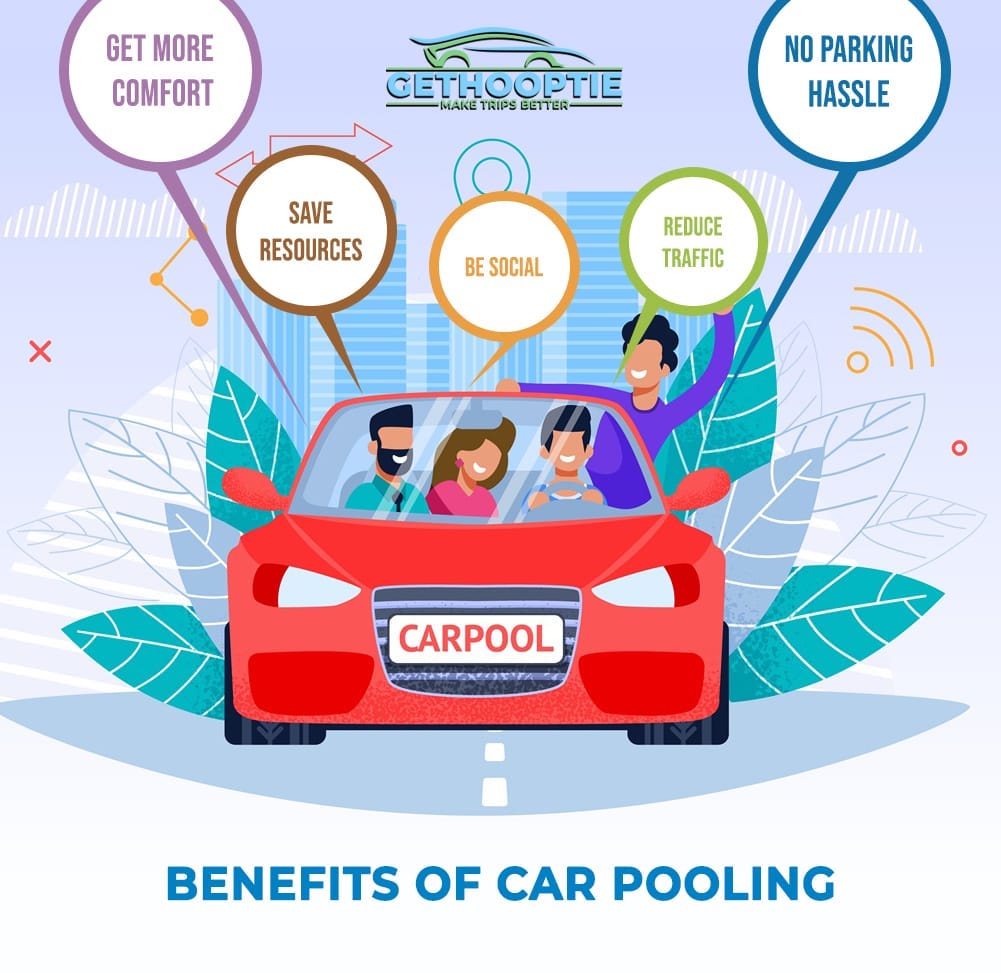
Carpooling isn't just about saving money; it offers a surprising number of benefits that extend far beyond your wallet.
Consider the environmental impact. By reducing the number of cars on the road, you're directly contributing to lower emissions and improved air quality. Fewer vehicles mean less traffic congestion, which not only saves you time but also further reduces fuel consumption and emissions. Adopting eco-driving habits is more important than ever. Plus, if you're thinking about an eco-friendly vehicles in the future, carpooling gives you an even greater positive impact while you save up for it.
Carpooling can also be a great way to reduce stress. Sharing the driving responsibilities can alleviate the mental fatigue that often comes with a long commute. Knowing that you only have to drive a few days a week can make the prospect of your commute far less daunting.
Do eco-driving habits really work?
Absolutely! While some fuel myths debunked have led to skepticism, consistent eco-driving habits have been proven to improve fuel economy. Avoiding aggressive acceleration and braking, maintaining a steady speed, and anticipating traffic flow can significantly reduce fuel consumption. When implemented consistently, these habits can lead to noticeable savings at the pump.
Furthermore, carpooling can foster a sense of community and connection. It provides an opportunity to socialize and build relationships with your fellow carpoolers. You might find yourself looking forward to your commute more than you ever thought possible! Sharing stories, discussing current events, or simply enjoying each other's company can make your daily drive a much more pleasant experience.
Getting Started: Practical Tips for Carpool Success
So, how do you actually start carpooling? Here are some practical tips to help you get started and ensure a smooth and successful carpooling experience:
First, identify potential carpool partners. Reach out to colleagues, neighbors, friends, or even classmates who live nearby and have similar commuting schedules. Online platforms and apps dedicated to carpooling can also help you connect with potential partners in your area.
Next, establish clear ground rules. Discuss and agree upon things like driving schedules, pick-up and drop-off locations, punctuality expectations, and cost-sharing arrangements. Write everything down to avoid misunderstandings later.
Be prepared to be flexible. Things don't always go according to plan, so it's important to be adaptable and willing to compromise. Unexpected delays, schedule changes, or personal emergencies might arise. Communicate openly and honestly with your carpool partners to address any issues that may come up.
Consider rotating drivers. If possible, take turns driving to distribute the responsibility and reduce wear and tear on any one vehicle. This also ensures that everyone gets a break from driving and can enjoy the ride as a passenger.
Finally, prioritize safety. Ensure that all drivers have valid licenses and insurance. Follow traffic laws and maintain a safe driving distance. Encourage everyone in the carpool to wear seatbelts.
How often should I check my tire pressure?
Maintaining proper tire pressure is a simple yet crucial aspect of fuel efficiency and tire care. Experts recommend checking your tire pressure at least once a month, as well as before any long trips. Proper inflation reduces rolling resistance, which translates directly into improved gas mileage.
Carpooling: A Small Change, a Big Impact
Carpooling is a powerful tool for saving money, reducing your environmental impact, and even enhancing your social life. It's a win-win-win situation! By making a conscious effort to share rides, you can contribute to a more sustainable future while also benefiting your own wallet and well-being. So next time you're dreading that solo commute, consider the possibilities of carpooling. You might be surprised at how much you can save – both financially and otherwise.
Post a Comment for "How Carpooling Saves More Than Just Fuel"