
How Engine Size Affects Your Gas Mileage
Are you tired of watching your hard-earned money disappear every time you fill up your gas tank? You're not alone. High gas prices can put a real strain on your budget, making you wonder if there’s anything you can actuallydoabout it beyond just grimacing at the pump.
Of course, the way you drive and how well you maintain your car have a huge impact on your fuel economy. Simple habits, like keeping your tires properly inflated and avoiding aggressive acceleration, can surprisingly boost your miles per gallon. Even something as basic as planning your route to avoid stop-and-go traffic makes a difference.
One key factor often overlooked is the size of your engine. But howexactlydoes engine size play into the fuel-efficiency equation? Understanding this can help you make smarter choices about the cars you drive and how to maximize their efficiency.
How Engine Size Impacts Fuel Economy
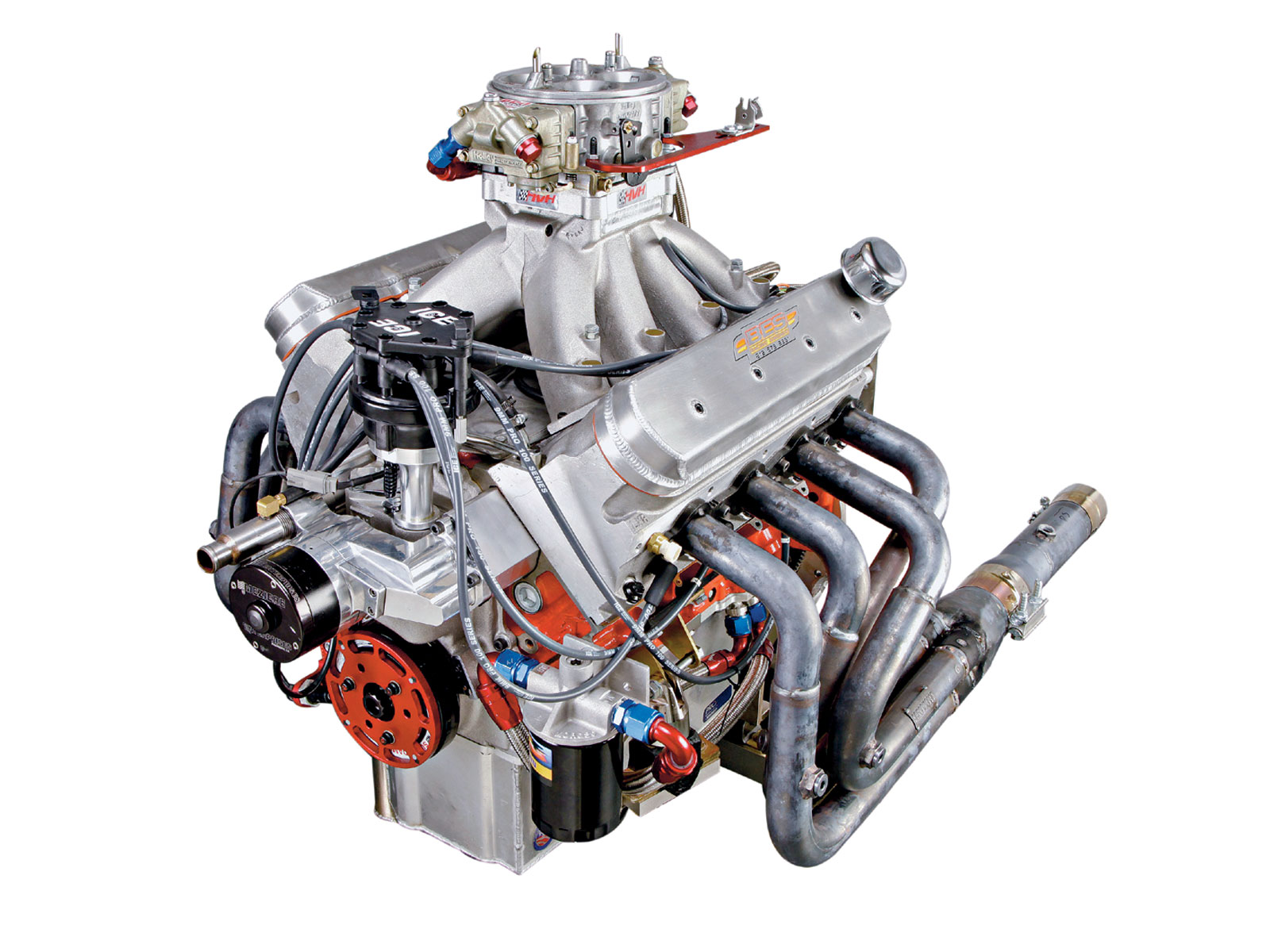
At its core, the size of your engine directly correlates to how much fuel it needs to generate power. Larger engines, typically found in trucks, SUVs, and some performance cars, have bigger cylinders. These cylinders require more air and, crucially, more fuel to create the explosions that propel your vehicle. This translates directly to lower gas mileage compared to vehicles with smaller engines.
Think of it this way: a small engine is like a sipping on a cup of coffee, while a large engine gulps down a whole pot. Both provide energy, but one is far more economical.
However, it's notquitethat simple. Modern engine technology is constantly evolving. Turbocharging, supercharging, and advanced fuel injection systems are allowing smaller engines to produce power comparable to larger ones, sometimes even with better fuel efficiency. So, while engine size is a significant factor, it’s just one piece of a complex puzzle.
What affects gas mileage the most?
Several factors contribute to your car's fuel economy. Beyond engine size, your driving habits, the weight of your vehicle, tire pressure, and even the weather can play a role. Aggressive acceleration and braking dramatically reduce fuel efficiency, as does carrying unnecessary weight in your vehicle. Underinflated tires increase rolling resistance, forcing your engine to work harder and burn more fuel. And while it might seem minor, even using your air conditioner can have a noticeable impact.
Choosing the Right Engine Size
So, how do you choose the right engine size for your needs? The answer depends on what you primarily use your vehicle for.
If you mostly commute in the city and occasionally take short highway trips, a smaller engine (think a four-cylinder) is probably the most economical choice. These engines typically offer excellent fuel economy and are well-suited for stop-and-go traffic.
However, if you frequently tow heavy loads, haul equipment, or need the extra power for off-road adventures, a larger engine might be necessary. While you'll sacrifice some fuel economy, the added power and capability can be essential for your specific needs.
A good compromise might be a smaller, turbocharged engine. These engines offer the fuel efficiency of a smaller engine during normal driving conditions but can deliver a burst of power when needed. They’re becoming increasingly popular, offering a balance of efficiency and performance.
It's also worth considering hybrid and electric vehicles. These offer a significant boost in fuel economy, especially in city driving. While they may have a higher initial cost, the long-term savings on fuel can be substantial.
Maximizing Fuel Efficiency, Regardless of Engine Size
No matter what size engine your vehicle has, there are several things you can do to maximize your fuel efficiency.
First, practice efficient driving habits. Avoid aggressive acceleration and braking, maintain a steady speed on the highway, and anticipate traffic conditions to avoid unnecessary stops.
Second, keep your car properly maintained. Regular oil changes, tire rotations, and air filter replacements can all improve your fuel economy.
Third, check your tire pressure regularly. Underinflated tires increase rolling resistance, reducing fuel efficiency.
Fourth, reduce unnecessary weight in your vehicle. Carrying extra weight forces your engine to work harder, burning more fuel.
Fifth, plan your trips carefully. Combine errands into a single trip to reduce the number of cold starts, which are particularly fuel-inefficient.
Finally, consider using fuel-efficient driving modes, if your vehicle has them. These modes typically adjust the engine and transmission settings to prioritize fuel economy.
Do eco-driving habits really work?
Absolutely! Eco-driving habits can significantly improve your fuel economy. Studies have shown that adopting techniques like smooth acceleration, maintaining a consistent speed, and anticipating traffic can reduce fuel consumption by as much as 25%. That's a substantial saving over time. Eco-driving is not just about saving money; it's also about reducing your environmental impact and promoting safer driving habits.
Fuel Myths Debunked
Let’s clear up some common misconceptions about fuel economy:Myth #1: Premium fuel improves gas mileage in all cars.
False. Unless your vehicle's manufacturer specifically recommends premium fuel, using it won't improve your gas mileage or performance. Premium fuel is designed for high-compression engines and using it in a car that doesn't require it is simply a waste of money.
Myth #2: Warming up your car for a long time in cold weather improves fuel economy.
While it's true that your engine needs to warm up, letting it idle for an extended period wastes fuel and does nothing to help its longevity. Today's engines are designed to warm up quickly while driving. After a minute or two, gently start driving to warm the engine more efficiently.
Myth #3: You should always fill your gas tank to the top.
Overfilling your gas tank can actually damage your vehicle's evaporative emissions control system, which is designed to prevent fuel vapors from escaping into the atmosphere. This can lead to costly repairs and doesn't improve fuel economy. Stop filling up when the pump automatically clicks off.
How often should I check my tire pressure?
Ideally, you should check your tire pressure at least once a month and before any long trips. Tire pressure can fluctuate with temperature changes, so it's important to check it regularly to ensure your tires are properly inflated. You can find the recommended tire pressure for your vehicle on a sticker located in the driver's side doorjamb or in your owner's manual.
The Future of Fuel Efficiency
The automotive industry is constantly innovating to improve fuel efficiency. Hybrid and electric vehicles are becoming increasingly popular, offering significant fuel savings and reduced emissions. Automakers are also developing more efficient gasoline engines, using technologies like turbocharging, direct injection, and variable valve timing.
Aerodynamic design is also playing a bigger role. Sleeker, more aerodynamic vehicles require less energy to move through the air, improving fuel economy, especially at highway speeds.
Autonomous driving technology also holds promise for improving fuel efficiency. Self-driving cars can optimize their speed and acceleration to minimize fuel consumption, and they can also communicate with each other to avoid traffic congestion.
So, while understanding engine size is important, keep an eye on the horizon. The future of fuel efficiency is bright, with a variety of new technologies on the way to help you save money and reduce your environmental impact.
Armed with this knowledge, you're better equipped to make smart choices that save you money at the pump. Remember that fuel efficiency is a combination of factors – your car's engine, your driving habits, and how well you maintain your vehicle. So, take charge of your commute efficiency, adopt some eco-driving habits, and enjoy the benefits of a greener, more economical ride!
Post a Comment for "How Engine Size Affects Your Gas Mileage"